
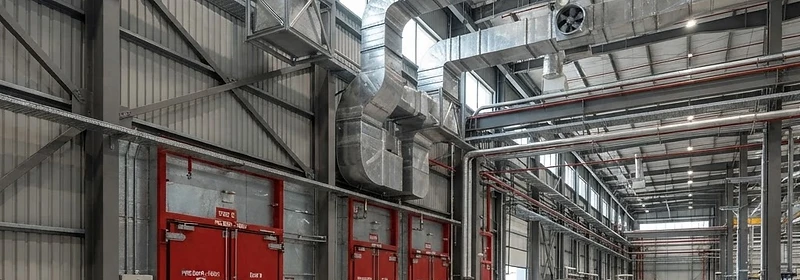
Fire, Smoke and Blast Protection Suppliers in Qatar
Fire and blast protection is the least forgiving procurement category in construction. A product that is nearly right is not acceptable, and a certificate that covers a different configuration from the one being installed is worth less than nothing because it creates false confidence.
This guide covers what QCDD expects, how to read the certificates that matter, what each product family has to prove, and how to vet a supplier before the submittal stage.
The approval reality in Qatar
Passive and active fire protection is enforced by the Qatar Civil Defence Department. Projects cannot obtain completion certificates without approved materials, installed by competent contractors, with the documentation trail to prove it.
The practical sequence is: product selected against the design intent, test evidence submitted, QCDD approval obtained, installer competency demonstrated, installation inspected, then documented in the handover file. A supplier who cannot support that sequence slows a project more than a supplier who costs more.
Passive protection
Fire rated doors and shutters tested to EN 1634-1 or UL 10C, classified under EN 13501-2, and installed with the certified frame, hardware and seals. The door leaf rating is meaningless if the frame is substituted.
Firestopping for every penetration, tested to EN 1366-3 by penetration type and service. A firestop that was tested for a plastic pipe does not seal a cable tray.
Intumescent coatings for structural steel, assessed under EN 13381 series for the specific section factor and fire period. The assessment must match the steel section being protected, which is the most common source of non compliance on steel frames.
Fire resistant boards and partitions, with the tested system build up documented fully: board type, layers, fixings, joints and head details.
Smoke control
Smoke is what kills, and the systems that manage it are separate from the fire alarm.
- Smoke and heat exhaust ventilation to EN 12101-2, with the aerodynamic free area and reliability class stated
- Smoke curtains to EN 12101-1, rated for the smoke temperature and duration claimed
- Smoke dampers to EN 1366-2, installed with the correct access for testing
- Pressurization systems for staircases and refuge areas, with door opening forces within limits
- Controls that are interlocked and proven in cause and effect testing, not only in the panel
Our guide to smoke and fire curtains and to firefighting equipment covers the products in detail.
Blast protection
Blast products are specified by threat level, not by appearance. The evidence usually comes from one of three routes: EN 13123 and EN 13124 for facade elements and doors, Unified Facilities Criteria in US-derived specifications, or project specific blast engineering.
What to demand:
- Test report naming the exact product, size and fixing method being supplied
- Response category stated in the required terms, since a door rated for one pressure and duration is not rated for another
- Pressure relief panels where the design relies on venting, with the opening pressure defined
- Blast valves and blast dampers matched to the duct system they serve
- Anchorage design, because a blast door that passes the test and fails the fixing has failed
Vetting a supplier
The questions that separate real suppliers from catalogues:
- Can you send the full test report, not the certificate summary
- Which notified body or laboratory performed the test
- Has this exact configuration been approved on a QCDD project in Qatar, and can you name two
- Who installs it, and what is their training for this product
- What is the submittal package, and how long does approval usually take
- Are spares and replacement parts available locally for the maintenance period
Common compliance failures
Substitution of a tested component with a cheaper equivalent. Coating thickness applied below the assessed value on steel. Firestops installed without the backing material in the tested system. Smoke curtain fabric rated lower than the design temperature. Blast doors installed with anchors too short for the specification. Documentation that describes the product instead of proving the installed configuration.
Sourcing through Kinetic
Post an inquiry with the product, the fire or blast rating required, the test standard, quantities, delivery schedule and the QCDD stage you have reached. Approved manufacturers, distributors and specialist installers respond with quotes, and contact details stay locked until you accept a bid.
Frequently asked questions
Does a CE marked fire door comply automatically? No. The mark shows the product conforms to a harmonised standard. The installed configuration must still match the tested configuration and satisfy QCDD.
Can I use one firestop for every penetration? No. Firestop systems are tested for specific service types and sizes. Using one generic product across all penetrations fails inspection.
How long does QCDD approval take? Typically several weeks from a complete submittal. Incomplete test evidence is the main cause of delay, not the authority.
What is the difference between a fire curtain and a smoke curtain? A fire curtain is designed to hold back fire for a rated period. A smoke curtain controls smoke movement at lower temperatures, and the two are not interchangeable.
Source certified fire, smoke and blast protection suppliers on Kinetic.
Related Articles


Spill Containment in Qatar: Track Pans, Berms, Pallets and Secondary Containment
31 Oct 2026
Dock Equipment in Qatar: Levelers, Vehicle Restraints and Loading Bay Safety
31 Oct 2026

Fall Protection at Loading Bays in Qatar: Safety Gates, Handrails, Lifelines and Harnesses
31 Oct 2026Looking for materials?
Post an inquiry on the Kinetic marketplace and connect with verified suppliers across the Gulf.